15 Strategies for an Effective Recruitment Process
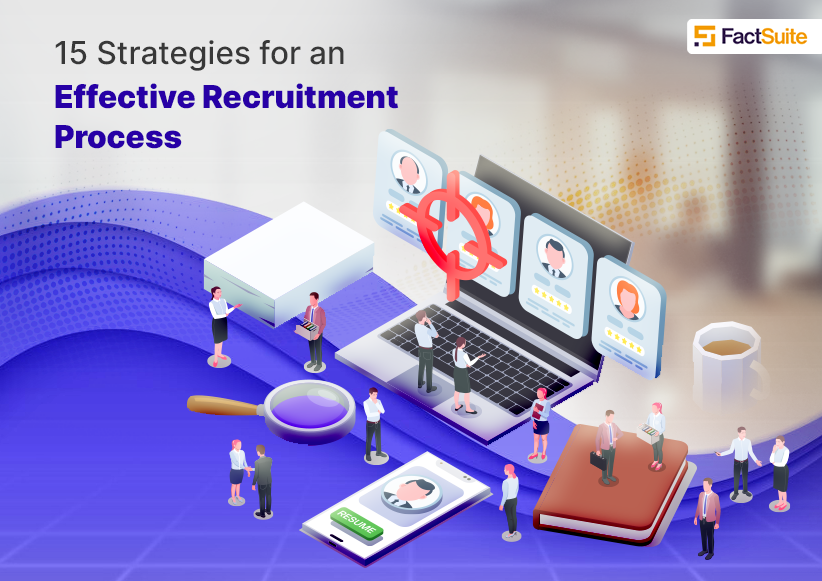
Table of Contents
1. What Is Recruiting?
2. Understanding the Concept of a Recruitment Strategy
- Assessment of Hiring Needs
- Employer Branding
- Sourcing Channels
- Candidate Experience
- Diversity and Inclusion
- Technology Integration
- Metrics and Analysis
- Continuous Improvement
- Collaboration and Communication
- Compliance and Regulations
3. Effective Recruitment Strategies to Create a Winning Recruitment Process
- Employer Branding Enhancement
- Targeted Job Descriptions
- Employee Referral Programs
- Utilizing Social Media
- Diverse Sourcing Channels
- Talent Pipelining
- Streamlined Application Process
- Candidate Engagement and Communication
- Virtual Recruitment Events
- Skills-Based Assessments
- Flexible Work Options
- Transparent Interview Process
- Continuous Training for Interviewers
- Feedback Integration
What Is Recruiting?
Recruiting stands as the bedrock of any successful organization, acting as the strategic gateway to identifying, engaging, and onboarding talent that harmonizes with the company's ethos and aspirations. It serves as more than just a means to fill vacancies; it's the conduit to secure individuals who not only possess the required skills but also resonate with the organization's culture, vision, and long-term goals.
The significance of an effective recruitment process permeates various facets of an organization:
In talent acquisition and retention, an effective recruitment process not only attracts top-tier talent but also fosters an environment where employees feel connected to the company's mission, leading to higher retention rates. Cultivating a focus on cultural alignment during recruitment ensures that employees mesh well with the company's ethos, enhancing their performance and productivity.
Diversity in talent, fostered through robust recruitment practices, injects fresh perspectives and skills into the organization, fostering innovation and enabling adaptability in an ever-evolving business landscape. A well-executed and effective recruitment process not only attracts top talent but also elevates the company's employer brand, influencing its reputation within the industry.
The dividends of an effective recruitment process contribute significantly to the organization's long-term success. It helps build a resilient workforce capable of driving growth, overcoming challenges, and optimizing operational efficiency. Moreover, when employees align well with their roles and the company culture, they exhibit higher engagement, satisfaction, and commitment, leading to increased overall morale and productivity.
Ultimately, recruiting transcends mere hiring; it shapes the foundation of an organization, influencing its culture, performance, and trajectory. As such, a strategic and effective recruitment process becomes instrumental in shaping an organization's resilience, competitiveness, and sustained success in the dynamic business landscape.
Understanding the Concept of a Recruitment Strategy
Strategy for recruitment process is a comprehensive plan designed to attract, identify, and hire top talent effectively and efficiently. It involves a systematic approach to fulfilling current and future hiring needs while aligning with the organization's goals and values. Here's a breakdown of the key components within a strategy for recruitment process:
1. Assessment of Hiring Needs
Understanding the company's short-term and long-term goals helps in identifying the specific roles needed. Analyzing current workforce capabilities and forecasting future requirements forms the basis of the recruitment strategy.
2. Employer Branding
Creating a strong employer brand is crucial. It involves showcasing the company culture, values, and unique selling points to attract potential candidates. This can be done through social media, company website, and employee testimonials.
3. Sourcing Channels
Identifying the most effective channels to reach potential candidates is essential. This includes job boards, social media platforms, career fairs, employee referrals, and professional networks.
4. Candidate Experience
Ensuring a positive experience for candidates throughout the recruitment process is vital. This includes clear communication, transparent processes, timely feedback, and a smooth application process.
5. Diversity and Inclusion
A recruitment strategy should aim for diversity and inclusivity. This involves creating strategies to attract candidates from various backgrounds and ensuring fair and unbiased hiring practices.
6. Technology Integration
Leveraging technology, such as applicant tracking systems (ATS), AI-driven tools for resume screening, and video interviewing platforms, streamlines the recruitment process, making it more efficient.
7. Metrics and Analysis
Establishing key performance indicators (KPIs) helps in measuring the success of the recruitment strategy. Metrics such as time-to-fill, cost-per-hire, quality of hire, and retention rates provide valuable insights for improvement.
8. Continuous Improvement
Regularly reviewing and updating the recruitment strategy based on feedback, industry trends, and evolving hiring needs is crucial. Adapting to changes ensures the strategy remains effective and competitive.
9. Collaboration and Communication
Effective collaboration between hiring managers, HR professionals, and other stakeholders is necessary for a successful recruitment strategy. Clear communication and alignment on goals and expectations streamline the process.
10. Compliance and Regulation
Adhering to legal and regulatory requirements throughout the recruitment process is imperative. This includes fair employment practices, data protection, and compliance with anti-discrimination laws.
A well-crafted strategy for recruitment process not only aims at filling vacancies but also contributes to the overall growth and success of the organization by bringing in top talent that aligns with the company's mission and vision.
Effective Recruitment Strategies to create a Winning Recruitment Process
Here are 15 effective recruitment strategies that can significantly contribute to building a winning recruitment process:
1. Employer Branding Enhancement
Establish a strong and positive employer brand by highlighting the company's mission, values, and workplace culture. Showcase employee success stories, company events, and unique aspects that make the organization an attractive place to work.
2. Targeted Job Descriptions
Craft job descriptions that are detailed yet concise, outlining specific job responsibilities, required skills, and qualifications. Use language that resonates with potential candidates and accurately reflects the role.
3. Employee Referral Programs
Incentivize employees to refer qualified candidates. Employee referrals often result in hires who fit well within the company culture and are more likely to stay longer.
4. Utilize Social Media
Leverage social media platforms like LinkedIn, Twitter, and Facebook to actively engage with potential candidates. Share engaging content about the company, job openings, and employee testimonials to attract talent.
5. Diverse Sourcing Channels
Explore various channels beyond traditional job boards, such as industry-specific forums, associations, networking events, and even university career centers to reach a diverse talent pool.
6. Talent Pipelining
Build relationships with passive candidates by maintaining contact through networking events, occasional emails, or newsletters. This ensures a pipeline of potential candidates when positions become available.
7. Streamlined Application Process
Simplify the application process by minimizing unnecessary steps. Mobile-friendly application processes are increasingly essential to cater to candidates on-the-go.
8. Candidate Engagement and Communication
Regularly update candidates on their application status and provide clear timelines for the recruitment process. Personalize communication to maintain candidate interest.
9. Virtual Recruitment Events
Organize virtual job fairs, webinars, or online networking sessions to connect with candidates globally, allowing for greater reach and accessibility.
10. Skills-Based Assessments
Implement assessments or tasks that directly evaluate candidates' skills relevant to the job, providing insights beyond what a resume or interview might reveal.
11. Flexible Work Options
Highlight flexible work arrangements or remote work opportunities to attract candidates seeking a work-life balance or specific work arrangements.
12. Transparent Interview Process
Clearly communicate the interview process, stages, and expectations to candidates. Provide timely and constructive feedback after interviews to maintain transparency.
13. Continuous Training for Interviewers
Train interviewers on fair and effective interviewing techniques, emphasizing unbiased evaluation and creating a positive candidate experience.
14. Feedback Integration
Collect feedback from candidates about their experience throughout the recruitment process. Use this feedback to identify areas for improvement and enhance the overall candidate experience.
15. Measuring Recruitment Metrics
Track and analyze recruitment metrics like time-to-fill, candidate conversion rates, and quality of hire to evaluate the effectiveness of strategies and identify areas needing improvement.
These strategies, when implemented thoughtfully and in alignment with the organization's values and goals, contribute significantly to a successful and robust recruitment process.